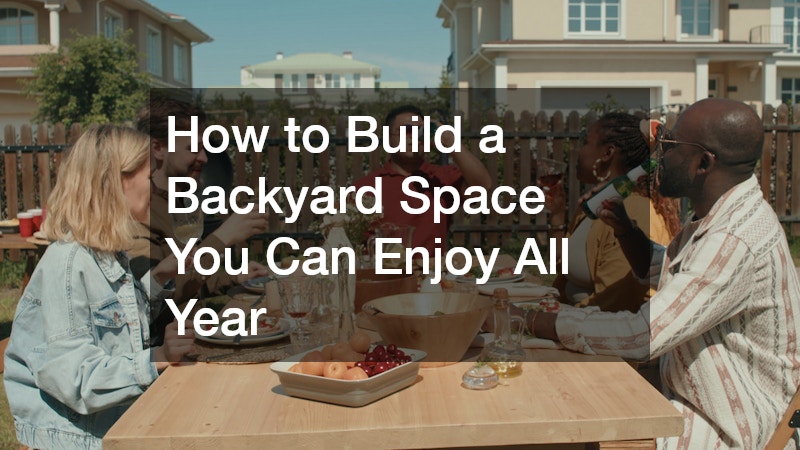

Backyards used to be thought of as seasonal spaces—something to enjoy during warm months and ignore once the weather turned. That idea has changed dramatically in recent years. Homeowners are now approaching their outdoor areas the same way they design indoor living spaces: thoughtfully, intentionally, and with comfort in mind.
A functional backyard retreat isn’t about building the most elaborate outdoor space possible. Instead, it’s about creating an environment that adapts to different needs throughout the year. In the summer, it might host family barbecues and late-night conversations under the stars. In the fall, it could become a quiet place to sip coffee while leaves change colors. Even in cooler months, a well-designed backyard can still offer warmth, light, and relaxation.
Designing a space that performs in every season requires a mix of planning, durability, and creativity. Layout, comfort features, shade, energy solutions, and landscaping all work together to determine how often the space is actually used.
The sections that follow explore practical ways to transform an ordinary yard into a flexible outdoor retreat—one that supports relaxation, entertainment, and everyday enjoyment no matter the time of year.
Start With a Master Plan for a Four-Season Backyard
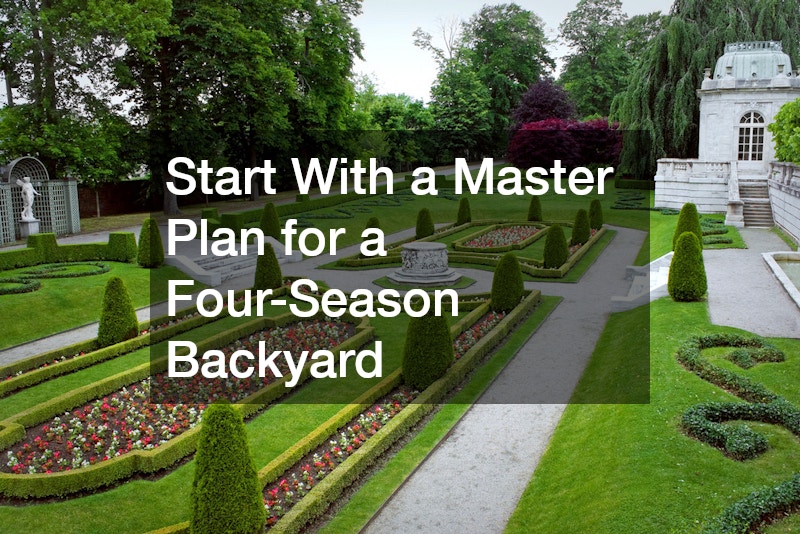
Before installing patios, seating areas, or landscaping features, it helps to step back and look at the entire property as a whole. A backyard retreat works best when it’s planned like a series of connected outdoor rooms rather than a collection of unrelated upgrades.
Walk through the space and observe how sunlight moves throughout the day. Notice where shade naturally forms, where water tends to collect after rain, and which areas feel most private. These observations help determine the best locations for seating areas, gardens, walkways, and activity zones.
Sometimes the first step toward creating a more functional yard involves clearing space. Large trees that block sunlight or create safety concerns may limit what can be built. In these situations, tree removal can open up the area and improve both visibility and design flexibility. Removing overcrowded or unhealthy trees may also allow surrounding plants to grow stronger and healthier.
Once the layout becomes clearer, boundaries can help give the space structure. Fencing does more than mark property lines—it defines outdoor rooms and creates a sense of enclosure that makes a backyard feel like a private retreat. A thoughtfully designed barrier can:
- Increase privacy from neighboring properties
- Improve safety for pets or children
- Reduce wind exposure in open yards
- Provide visual structure that ties the design together
The goal of a master plan is not perfection on day one. Instead, it serves as a roadmap that guides future improvements. Even small additions—such as garden beds, pathways, or seating areas—become more effective when they’re part of a broader vision.
Build a Reliable Outdoor Water System for Landscaping
Many homeowners focus on visual elements first—patios, plants, lighting—but the behind-the-scenes systems supporting a backyard are just as important. Reliable water access plays a major role in keeping outdoor spaces healthy and functional.
If your property uses a private well, maintaining the equipment that supplies water becomes critical. Irrigation systems, outdoor sinks, gardens, and lawns all rely on consistent water pressure. When pressure drops or systems fail, it may be time to investigate whether a well pump repair service is needed.
Common warning signs include:
- Sudden drops in water pressure outdoors
- Sprinklers failing to reach their full range
- Intermittent water flow when irrigation systems run
- Pumps that cycle on and off frequently
Addressing these problems early helps prevent bigger issues that could interrupt landscaping plans during peak growing seasons.
In some cases, aging equipment may require a more permanent solution. A well pump replacement can improve water efficiency and reliability, especially for properties with extensive landscaping or gardens. Modern pump systems often provide stronger pressure and improved durability, making them better suited for supporting outdoor irrigation and water features.
Once water systems are dependable, you can begin planning landscaping that thrives year-round. Efficient irrigation zones, for example, allow different areas of the yard to receive the precise amount of water they need. Lawn areas, vegetable gardens, and ornamental plants all have unique watering requirements.
With the right infrastructure in place, maintaining a vibrant backyard becomes far easier and far less stressful.
Create Shade and Privacy for Comfortable Outdoor Living
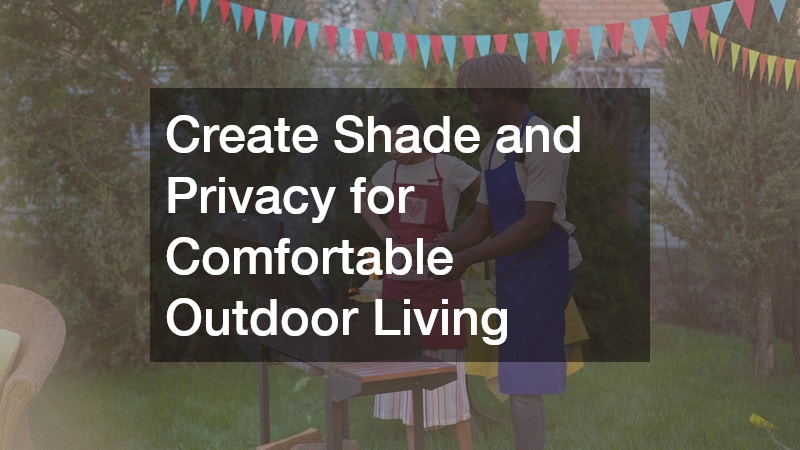
One of the most common reasons people stop using their backyard during summer is excessive heat and sunlight. Without shade, patios and seating areas quickly become uncomfortable during peak daylight hours.
Fortunately, there are several ways to create relief from intense sun while preserving the open feel of the space.
Permanent structures such as pergolas or covered patios provide consistent protection and architectural character. These structures can support climbing plants, outdoor lighting, and hanging décor that adds personality to the area.
However, flexibility often makes the biggest difference in everyday comfort. Adjustable shade solutions allow homeowners to respond to changing weather conditions throughout the day.
For example, roller shades mounted along the edges of patios or pergolas can block harsh sunlight during the afternoon while still allowing airflow to pass through. On cooler days, they can be raised to invite more warmth and light into the space.
Designing effective shade often involves layering multiple elements:
- Structural shade from pergolas or awnings
- Natural shade from trees and tall landscaping
- Adjustable coverings for precise sun control
- Privacy screens that reduce wind and visual exposure
The result is an outdoor living area that remains comfortable even when temperatures climb.
Imagine stepping outside on a bright afternoon and settling into a shaded seating area where the air feels noticeably cooler. That small change can transform how often the backyard is used.
Design Outdoor Energy Solutions for Long-Term Savings
Outdoor living spaces increasingly rely on energy to power lighting, cooking areas, water features, and entertainment systems. Designing energy solutions early in the planning process can improve efficiency and reduce long-term costs.
Renewable power has become particularly attractive for outdoor environments. Solar installations can supply electricity for landscape lighting, decorative fountains, security systems, or charging stations for outdoor electronics. Because many backyard systems operate on relatively low energy demand, solar power often provides more than enough electricity to support them.
Strategically placed solar panels can also be integrated into patio roofs or detached structures, allowing them to blend naturally into the overall design.
Fuel systems represent another important consideration. Fire pits, outdoor kitchens, and patio heaters often rely on consistent fuel sources to operate efficiently. A propane tank can serve as a reliable power source for:
- Outdoor grills
- Patio heaters
- Decorative fire features
- Cooking appliances in outdoor kitchens
Proper placement and storage of fuel systems ensures safety while keeping them accessible for everyday use.
Energy planning doesn’t have to dominate the aesthetic design of the backyard. With thoughtful placement, these systems can remain largely hidden while quietly powering the features that make the space enjoyable year-round.
Plan a Pool Area That Works in Multiple Seasons
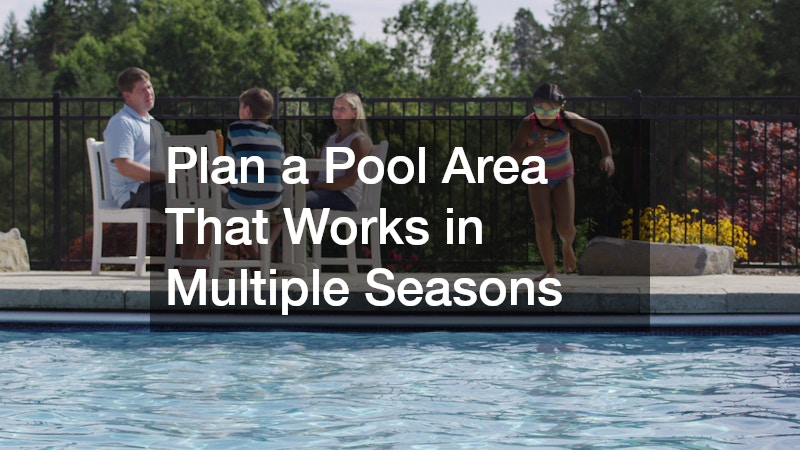
Swimming pools often become the centerpiece of a backyard retreat, but their usefulness depends heavily on thoughtful design.
A well-planned pool installation considers how the space will function both during peak summer months and in the quieter seasons that follow. Instead of isolating the pool as a single-purpose feature, designers often integrate it into a broader outdoor living environment.
Consider how people will move through the space. Walkways connecting the pool area to seating zones, outdoor kitchens, or garden paths create a sense of flow that encourages year-round use.
Temperature control also plays a role. Pool heaters can extend swimming seasons significantly, making the investment worthwhile even in regions where temperatures fluctuate. Surrounding the pool with comfortable lounging areas allows it to remain a relaxing focal point even when swimming isn’t the primary activity.
A thoughtful pool installation often includes additional elements that enhance comfort:
- Shade structures near seating areas
- Non-slip surfaces for safety
- Lighting that allows evening use
- Landscaping that softens hard edges
When designed well, the pool becomes more than a summer activity—it becomes part of the overall outdoor atmosphere.
Choose Durable Materials That Handle Weather Changes
Outdoor environments expose materials to constant stress. Sunlight, humidity, wind, and temperature swings all contribute to wear and tear over time. Choosing durable finishes from the beginning can prevent costly repairs later.
Metal furniture, railings, and structural components often benefit from protective coatings that resist corrosion and fading. Many homeowners turn to powder coaters to apply finishes that create a durable protective layer on metal surfaces.
This process helps outdoor furniture and fixtures maintain their appearance despite constant exposure to weather conditions.
Durability also extends to flooring materials and textiles. When selecting surfaces for patios, walkways, or decks, consider how each material responds to seasonal changes.
For example:
- Natural stone often handles temperature changes well
- Composite decking resists moisture and warping
- Outdoor fabrics designed for UV resistance last longer in direct sunlight
Instead of replacing worn materials every few years, investing in weather-resistant options creates a backyard that remains attractive with minimal maintenance.
Over time, the backyard begins to feel like a natural extension of the home—one that can withstand whatever the seasons bring.
Design a Cozy Outdoor Living Area for Cooler Months

While many backyard designs emphasize summer activities, cooler months can offer some of the most peaceful outdoor experiences. Crisp air, quiet evenings, and soft lighting create a relaxing atmosphere that’s perfect for unwinding.
The key is warmth.
Outdoor heating systems make it possible to enjoy patios long after temperatures drop. Fire pits and patio heaters add both physical warmth and visual ambiance. Many of these systems operate efficiently using a propane tank, allowing homeowners to maintain consistent heat during gatherings or quiet evenings outside.
Comfortable seating arrangements also make a difference. Instead of arranging furniture around the perimeter of a patio, consider creating conversation clusters where people naturally face one another.
Soft elements such as outdoor rugs, blankets, and warm lighting further enhance the experience.
Imagine stepping outside on a chilly evening, lighting a fire feature, and settling into a comfortable chair while the glow of outdoor lights reflects off surrounding trees. That moment alone can make the effort of backyard planning worthwhile.
Coordinate Structural Improvements With Outdoor Design
Outdoor structures often shape how backyard spaces are experienced. Covered patios, pergolas, and extended rooflines can dramatically expand usable outdoor areas while protecting them from the weather.
When designing these structures, it’s important to consider how they connect to the existing home. Rooflines, materials, and drainage systems should work together to maintain architectural harmony.
In some cases, homeowners may consult a roofer when planning additions that extend from the main house. Professional guidance ensures that new structures properly manage rainwater and integrate safely with existing roofing systems.
Covered outdoor areas offer several practical benefits:
- Protection from sudden rain showers
- Reduced sun exposure during hot months
- Additional mounting points for lighting or fans
- Greater comfort when entertaining guests outdoors
These structural additions help the backyard function more like an outdoor living room rather than a separate space.
Add Landscaping Layers That Keep the Yard Interesting
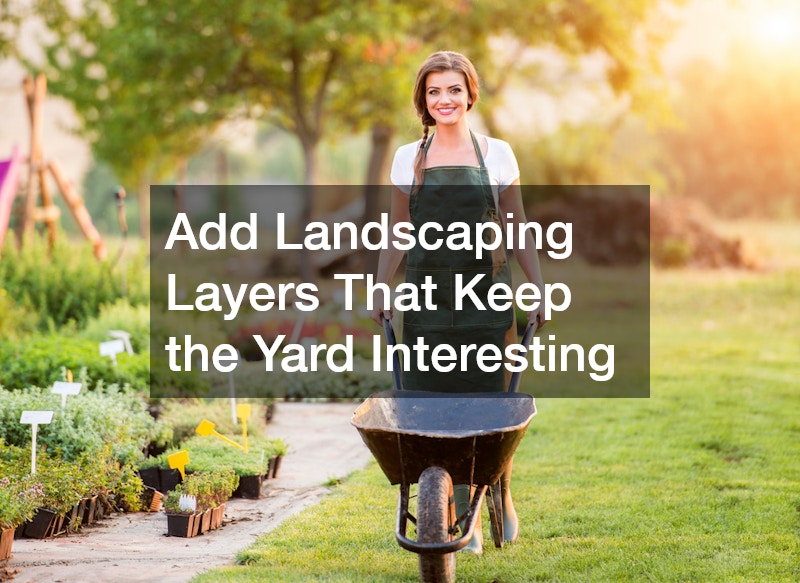
Landscaping provides the finishing touches that transform a backyard from functional to beautiful. Plants, shrubs, and trees create visual depth while softening hard surfaces like patios and walkways.
Designing landscaping for year-round interest often involves layering plants with different growth habits and seasonal features. Some plants provide vibrant spring flowers, while others display colorful foliage during autumn.
Occasionally, creating this layered effect requires removing overcrowded or unhealthy vegetation. Strategic tree removal can improve sunlight exposure for smaller plants and open up views across the yard.
Once the landscape structure is established, maintenance becomes easier and the visual impact increases. Pathways framed by greenery guide visitors through the space while creating a sense of discovery.
Over time, the yard begins to feel less like a single open field and more like a series of connected natural environments.
Build Multi-Purpose Backyard Zones for Relaxation and Entertainment
A backyard retreat works best when it supports a variety of activities rather than focusing on just one feature. Dividing the yard into functional zones allows the space to adapt to different needs throughout the year.
One area might serve as a quiet reading nook, while another hosts family gatherings or outdoor dinners. Physical boundaries—such as pathways, garden beds, or fencing—help separate these areas while maintaining visual continuity.
For example, the swimming area created during a pool installation can become one distinct zone within the yard. Nearby seating areas provide space for relaxation, while adjacent lawns might host games or outdoor activities.
Flexible furniture arrangements further enhance the versatility of the space. Lightweight chairs, modular seating, and movable tables allow homeowners to adapt the layout depending on the occasion.
A well-zoned backyard feels dynamic rather than static. It invites exploration and encourages people to spend time outdoors in different ways.
Bringing Your Backyard Vision to Life
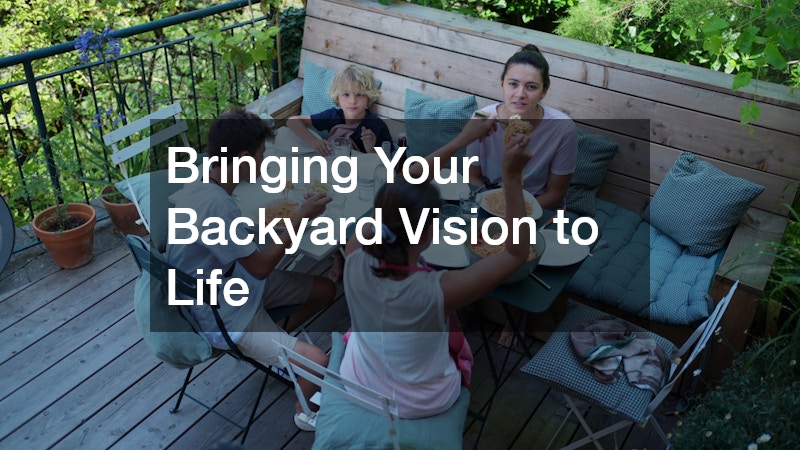
Designing a backyard retreat that works through every season is less about individual features and more about how those features interact. Shade, energy systems, landscaping, comfort elements, and thoughtful layouts all contribute to the experience of the space.
What begins as a simple outdoor area can gradually evolve into a place where mornings start with quiet coffee on the patio and evenings end with relaxed conversations under soft lighting.
The most successful backyard retreats grow over time. Each improvement builds on the last, creating a space that feels personal, functional, and welcoming year after year.
With careful planning and a willingness to adapt ideas along the way, any backyard can become a destination worth enjoying in every season.
